Greensboro’s seasons don’t just change the color of the oaks on Walker Avenue. They change how your windshield behaves, too. Heat, humidity, pollen, UV, cold snaps, sudden storms, and the Piedmont’s famous freeze-thaw swing all push tiny chips into full-length cracks if you give them the chance. I’ve repaired glass on spring mornings scented with honeysuckle and winter afternoons when the parking lot felt like an ice rink. The patterns repeat every year, and once you learn them, you can save yourself a windshield and a chunk of money.
This guide is built for everyday driving around zip code 27403 and the surrounding Greensboro neighborhoods. Whether you commute from Sunset Hills to downtown or run deliveries from UNCG to Lindley Park, a small decision in March or August can decide if a chip stays a chip. When repair makes sense, I’ll explain why. When replacement is the smarter call, I’ll explain that, too. And because more cars in Greensboro now rely on driver-assistance systems, I’ll cover ADAS and windshield calibration so your safety features remain trustworthy after the glass work.
What season does to glass, sealant, and cracks
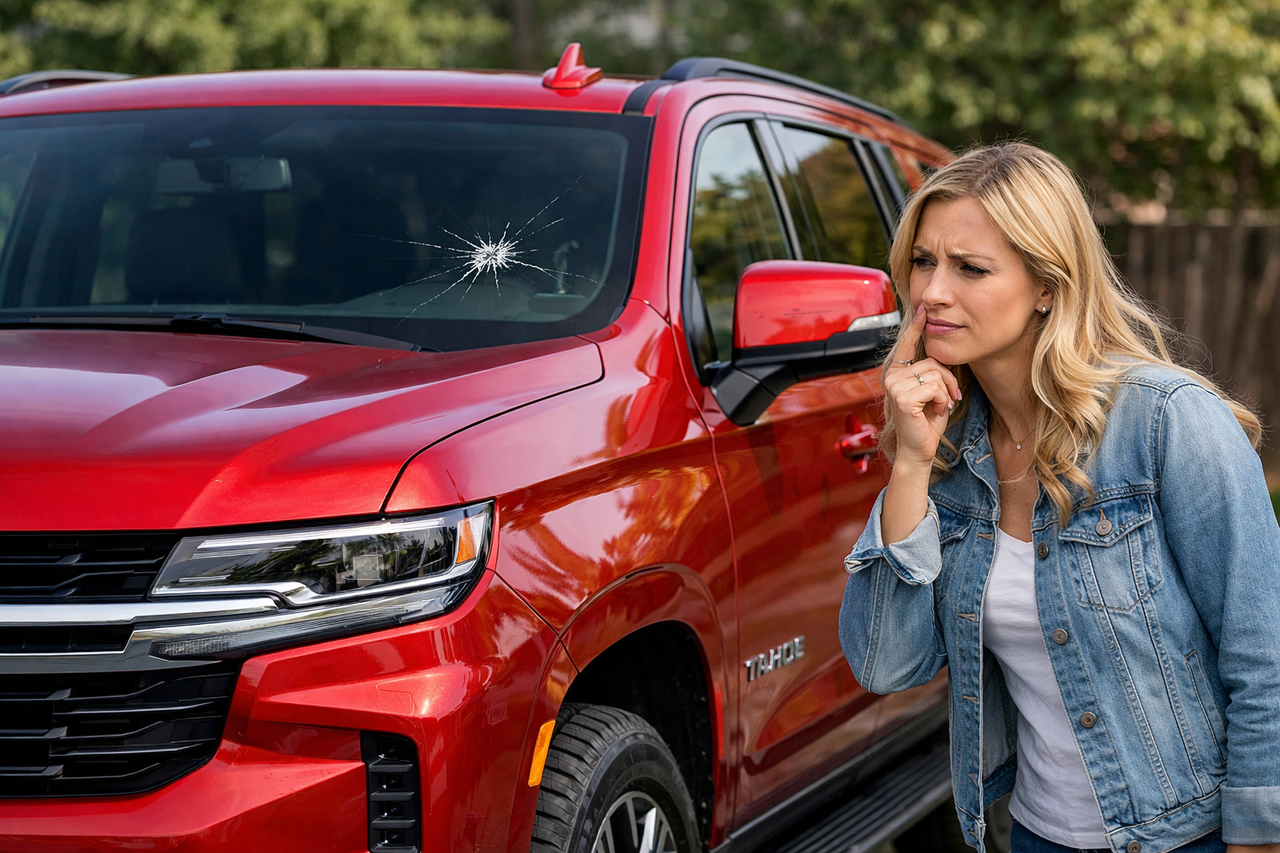
Glass expands as it warms and contracts as it cools. Sealants cure faster in heat and slower in cold. Moisture sneaks into damage, then freezes and wedges it wider. Road grit, pollen, and sap contaminate chips, which weakens resin bonding. If you’ve had a rock ping your windshield on I‑40, the season often decides if that blemish is a quick repair or the start of a spiderweb.
- Spring in Greensboro may swing between 40 and 80 degrees in a day. That thermal cycling opens and closes chips like a tiny hinge, so a star break can grow legs by the time you leave work. Add heavy pollen, and you get contamination that blocks resin penetration during repair. Summer bakes windshields. Park on a South Elm Street curb, climb in at 4 p.m., and you’re sitting in a 140‑degree greenhouse. Cold AC blasting the inside while the outside cooks creates steep temperature gradients. If your glass has a chip near the edge, I’ve watched those jump to 12 inches during the first mile. Fall cools the pavement but not the UV. Dry leaves and pine needles carry grit that can grind into wiper blades and scratch arcs onto your glass when the first mist hits. Winter brings freeze‑thaw cycles. It doesn’t need to snow. A December night can dip below freezing after a wet afternoon. Any moisture that found its way into a chip will expand by about 9 percent when it turns to ice. You’ll hear the crack sometimes, a faint tick in the quiet of a morning start.
Understanding that cycle is half the battle. The other half is quick action and clean handling.
When to repair and when to replace, with Greensboro realities
Most small chips, bull’s-eyes, and short cracks are candidates for resin injection repair. The rule of thumb many shops use: chips up to a quarter in diameter, short cracks under 3 inches, and no damage directly in the driver’s line of sight if optical clarity cannot be restored. In practice, I look at four things:
- Location: Damage within 2 inches of the glass edge behaves worse. The perimeter area is under more stress from the bonding urethane. Edge cracks spread faster, especially in summer. Contamination: Pollen, dust, washer fluid, and water weaken the bond. If you tape the chip quickly and avoid washing it, repair success goes up. If it’s been unprotected for weeks and looks milky, replacement becomes more likely. Depth and type: A bull’s‑eye or simple star break usually repairs cleanly. A combination break with crushed glass at the impact point, or a crack that has already branched in two directions, is riskier. ADAS and heat‑grid complexity: Many modern windshields carry camera brackets, acoustic layers, rain sensors, and defroster grids. If the damage sits near a camera zone and repair might distort the optical path, I won’t gamble with your safety features.
Around 27403, real driving adds context. The frequent downtown street parking in full sun speeds heat soak, which means a chip you ignore at lunch might lengthen by closing time in July. Bumpy railroad crossings on Spring Garden can jar a borderline edge chip into a line. If you drive out toward the Loop frequently, higher speeds invite the next stone ping. In short, repair small and early.
Replacement makes sense when cracks exceed 6 inches, run to the edge, cross the driver’s critical viewing area with expected distortion, or when multiple impacts exist. It also makes sense when your windshield integrates forward‑facing cameras or infrared layers and the damage sits in sensitive areas. And if you drive a work truck or delivery van, time equals money. Sometimes scheduling a 27403 mobile windshield replacement greensboro service greensboro nc visit for a fresh, warrantied windshield the same day beats babysitting a repair that might not hold through the season.
Spring: pollen, rain, and temperature swings
Every spring I get calls about a nickel‑sized chip that turned into a wandering crack after a week of parking under a flowering tree. Pollen looks harmless, but it can clog a chip like sawdust. Then rain pulls that pollen deeper. Resin can’t displace the gunk as well, so the finished repair may remain visible or weaker.
Here’s a small move that pays: keep a strip of clear packing tape in your glove box. If you get a chip, dry the area gently with a clean paper towel if it’s wet, then tape it. That barrier keeps out pollen and moisture until a tech performs the injection. I’ve measured success rates that feel night and day. Without tape, I still repair, but I warn customers to expect a more visible result.
Spring also brings big day‑night temperature swings. If you must drive with a chip, minimize stress. Park in shade when possible. Ease into AC so the glass cools gradually, not all at once. Avoid slamming doors, which pressure the cabin and flexes the glass. It sounds fussy, but these small changes often buy enough time to schedule repair within 24 to 48 hours.
Some Greensboro routes are chip magnets this time of year. Road crews start patching and sweeping, tossing tiny aggregate onto lanes. If you run Market Street or Wendover frequently, increase following distance behind trucks and freshly patched sections. That extra car length spares you a flying pebble.
Summer: heat, UV, and the AC blast
Summer is when complacency gets punished. I once watched a Subaru driver crack a 10‑inch line in the time it took to exit the parking deck on Greene Street. The car sat in the sun. The driver set the AC to high on Max. The existing star break lay near the edge. The interior cooled fast while the exterior stayed hot. Glass hates steep gradients. A visible tremor shot out from the impact, and the crack walked to the nearest edge seam. Nothing exotic, just physics.
UV also degrades polyvinyl butyral, the clear interlayer that bonds the two glass plies in a laminated windshield. If the outer glass lamination gets damaged and delaminates slightly at a chip, heavy UV exposure can discolor the spot and make a repaired area look more noticeable over time. Shade or a reflective windshield sunshade helps. Not for vanity, but because it keeps the gradient down and UV exposure lower while you arrange your fix.
Resins cure quickly in heat, Greensboro auto glass repair which is a double‑edged sword. A hot surface allows a strong cure if the technician controls timing and shade. A blazing hood and windshield can also make the resin gel too fast, trapping microbubbles. Good mobile techs choose their microclimate, often parking the service van to cast shade or using canopy setups. If your schedule is tight, ask for an early morning slot. You’ll get better results than a 3 p.m. repair on a 140‑degree windshield.
For drivers tempted to hold out until vacation ends, consider your route. A weekend dash to the coast or the mountains adds highway speeds and more truck traffic. Visiting a 27403 greensboro windshield repair service greensboro nc location before miles and heat pile up can save the trip and the windshield.
Fall: grit, wipers, and first frosts
The first crisp morning tempts us to flick on the wipers to sweep away dew and leaf bits. If your blades have been chewing summer grit, they can etch arcs into the windshield, especially across that central view path. A quick blade check in September prevents permanent halo scratches that neither repair nor replacement fixes cheaply if the rest of the glass is sound. Also, avoid dry wiping dusty glass. A shot of washer fluid first, or better, a quick squeegee at the station, keeps micro‑abrasives from scouring the surface.
Fall brings the first light frosts. If you wake to a mist frozen onto the glass, avoid boiling water, which shocks the laminate. Let the defroster warm gradually and use a plastic scraper. If the windshield already has a chip, I still tape it before scraping around it. Some chips chip again under a hard scrape, making repairs less tidy.
This is also the time to plan ahead for winter. If your windshield has ongoing pitting, wiper haze, and multiple filled repairs, and you rely on your vehicle for early morning work, consider scheduling replacement before the cold accelerates damage. Shops are often less slammed in October than after the first January ice event.
Winter: freeze‑thaw and safe de‑icing
Greensboro’s winter rarely stays cold all day, which means water cycles in and out of chips. I’ve seen a dime‑sized bull’s‑eye turn into a two‑foot crack in three days of day thaw, night freeze, day thaw. Moisture expansion drives the wedge deeper and longer. The simplest prevention is still that strip of tape at impact, then a quick call to a nearby pro. I routinely take morning calls from 27403 mobile windshield repair greensboro service greensboro nc customers, patch the chip in their driveway or street parking spot, and they’re set by lunch.
Be gentle with climate control. Warm the cabin from low to moderate, aim defrost to mix with cabin heat, and give the glass a few minutes. A sudden blast of full hot onto an icy windshield can trigger a run in an existing crack or spread a borderline chip. It’s slower, yes. It’s also much cheaper than a replacement in January when glass inventories get tight and insurers have longer queues.
Rock salt isn’t friendly, either. Small crystals bounce off tires and become high‑velocity grit. If you drive behind plows or salt trucks, double your following distance and avoid the spray zone at the rear tire line. Your hood paint will thank you, and your windshield will keep its chips to a minimum.
The art of a good repair: what to expect
Windshield repair isn’t magic. Done right, it stops damage from spreading and improves clarity. The best outcomes leave a faint shadow at certain angles, often visible only when you know where to look. A typical resin injection repair on a fresh chip around 27403 takes about 30 to 45 minutes. You can drive as soon as the tech cures the resin with UV.
Results vary with contamination and chip type. A clean bull’s‑eye might improve 80 to 95 percent visually. A star break with multiple micro‑legs, repaired three weeks after impact with pollen and washer fluid baked in, might improve 40 to 60 percent. The structural benefit remains solid either way if the resin fully penetrates and bonds.
Good techs prep meticulously: clean out loose glass with a probe, apply a vacuum to draw air and moisture, then inject low‑viscosity resin. If the chip resists flow, they’ll switch to a thinner resin or apply gentle heat to lower viscosity, then cure in stages. You can see the spider legs fade as resin fills. If a leg keeps returning, the crack may be shallow or a scratch. Adjusted technique still locks it.
On longer cracks, line repair works when caught early, but it requires a steadier hand. Drill points sometimes relieve stress at a crack tip, then resin wicks through the channel. I tell customers candidly when a long crack repair is a stopgap, not a cosmetic fix. If you plan to keep the vehicle for years, replacement may be the smarter investment.
When replacement and calibration go hand in hand
Most newer vehicles in Greensboro carry some level of advanced driver assistance: forward collision alerts, lane departure, adaptive cruise. Those features rely on cameras and sensors mounted to the windshield. Replace the glass, and the camera loses its known alignment relative to the road and the car’s body. That’s where ADAS calibration comes in.
Static calibration uses a level floor and targets placed at precise distances and heights in front of the vehicle. Dynamic calibration involves a road drive at specified speeds on well‑marked roads. Many cars require both. Around 27403, a good shop will handle windshield replacement and 27403 ADAS calibration greensboro service greensboro nc in one appointment, or coordinate with a nearby calibration partner. Expect the calibration to add 45 to 120 minutes. It’s not fluff. I’ve seen uncalibrated systems drift a lane width off center at highway speed and ghost false brake warnings on Wendover.
It pays to choose the right glass. OEM glass greensboro 27403 options match factory curvature, thickness, acoustic interlayers, and camera bracket tolerances. Aftermarket glass greensboro 27403 can be perfectly serviceable, but quality varies. On vehicles with sensitive camera systems, I recommend OEM or an equivalent that your installer trusts from experience. Ask your technician candidly what they’ve seen work best for your make. Their local pattern knowledge beats any generic chart.
Insurance often covers replacement with calibration when the damage meets your policy thresholds. Many carriers in Greensboro also waive deductibles for chip repair, because preventing a replacement saves them money. If you carry comprehensive coverage, a quick claim call can unlock same‑day mobile auto glass greensboro 27403 help, with billing handled directly.
Choosing a local pro around 27403
Greensboro has capable auto glass teams who know the local rhythms. Urban campus streets, tight parking, and older tree canopies demand different tactics than a suburban driveway in 27410. When you assess a shop or an on‑site mobile tech in 27403, ask about three things:
- Experience with your model’s ADAS and calibration method. If they explain target setups and road test routes off the top of their head, you’re in good hands. Glass sourcing options. A strong shop can get both OEM and high‑quality aftermarket quickly. They’ll also be honest if a sensor package behaves better with OEM. Mobile capability and weather strategy. You want a crew that can manage shade, temperature, and clean work surfaces in a city-parking reality.
I’ve run repairs in alleys off Mendenhall and in parallel spots along Spring Garden. A good mobile rig brings a vacuum, power, canopy, and enough patience to wait for a cloud if the glass is scorching. If you need after‑hours help, ask about 27403 same‑day auto glass greensboro or emergency auto glass greensboro 27403 availability. Even a chip repair at dusk with a work light beats waking to a full crack on Monday.
Quick, practical habits that save windshields
Here’s a short checklist I give new Greensboro drivers. It’s not glamorous, but it works.
- Keep clear tape in the glove box and cover chips immediately to block moisture and pollen. Ease AC or heat for the first five minutes after hot or icy parking, preventing thermal shock. Replace wiper blades each fall and avoid dry wiping gritty glass. Leave more space behind trucks and fresh patch zones on Wendover and I‑40. Schedule repair within 24 to 72 hours, before contamination and spreading complicate the job.
Edge cases, trade‑offs, and real‑world judgment
Not every call is a clean yes or no. A driver might bring me a 4‑inch crack that passes through the wiper sweep but sits low, out of the main sightline, on a vehicle without ADAS. They plan to sell the car in six months. A careful line repair can halt spread and keep the glass safe for that interval at a fraction of the replacement cost. I’ll do it, with eyes open about cosmetics and future risk.
Another driver shows a small chip, barely visible, but it sits directly over the camera bracket area of a late‑model SUV. The car’s lane‑keeping is touchy, and the owner leans on it for long drives. I’ll recommend replacement with 27403 windshield calibration greensboro service greensboro nc, because even a successful repair could alter refraction just enough to nudge camera interpretation. Safety features come first.
Fleet managers weigh downtime against longevity. For vans and light trucks running routes near 27403, mobile windshield replacement greensboro in 27403 greensboro nc at the depot in early morning hours keeps schedules intact. I’ve seen fleets try to limp by with multiple chip repairs through winter, only to schedule mass replacements after a January cold shot. When you see three or more impacts on one windshield and nightly street parking outdoors, locking in a pre‑winter replacement often costs less in the long run.
What repairs and replacements typically cost and how long they take
Prices vary with glass type and sensors, but practical ranges around Greensboro look like this. Chip repair usually costs less than a tank of gas, often in the 80 to 150 dollar range for the first chip, with small add‑ons for additional chips during the same visit. Expect 30 to 60 minutes on site.
Windshield replacement ranges wider. A basic sedan windshield without sensors might fall between 250 and 450 dollars. Add rain sensors, acoustic interlayers, heads‑up display, heating grids, and camera brackets, and the total can run 500 to 1,200 dollars or more, depending on OEM vs aftermarket. Calibration adds technician time and equipment setup, usually quoted between 150 and 350 dollars, sometimes more for multi‑camera suites. Total appointment time for replacement plus calibration commonly sits between two and three hours.
Because insurers often waive deductibles for repair, many 27403 vehicle owners pay nothing out of pocket to stop a chip from spreading. For replacement, comprehensive deductibles apply. Shops used to these claims will handle the process directly with your carrier. If you manage policies for a fleet, look for 27403 insurance auto glass greensboro service greensboro nc teams that already interface with your insurer. Your drivers get in and out faster.
A short Greensboro driving story
One August afternoon, I got a call from a teacher near College Hill. A pebble had starred her windshield on Lee Street around 11 a.m. She parked for a meeting in full sun. By 2 p.m., the star had grown a crack reaching toward the passenger side. She set the AC to high on her drive home, watched the line lengthen another inch, and pulled over to call. I met her half an hour later. The glass temperature measured 138 degrees on the outside, 80 on the inside. We cooled the exterior gently with shade and a fan, kept the interior AC moderate, and stabilized the crack with a cautious line repair. She kept that windshield through the semester, then chose a replacement in December when her insurer approved OEM glass and calibration. Two decisions in August, both small, prevented a full‑length crack that day and gave her time to plan a proper replacement when schedules were calmer.
Bringing it all together for 27403
Greensboro’s climate works on your windshield in predictable ways. Spring contaminates chips with pollen and rains. Summer punishes edges with heat and AC shock. Fall grinds grit under wipers and introduces first frosts. Winter leverages every bit of moisture with freeze‑thaw. Your moves are just as predictable and far simpler: cover chips, drive gently until repaired, choose repair or replacement based on damage type and location, and respect ADAS calibration when glass comes out.
If you’re near the 27403 core and need help, mobile auto glass teams routinely serve this area, from quick rock chip repair greensboro 27403 to full greensboro windshield replacement in 27403 greensboro nc with calibration. Ask for clear explanations about glass options, timelines, and how they’ll manage temperature and moisture on the day. A good tech will talk you through trade‑offs as plainly as I’ve done here.
One last habit to adopt: when you hear that sharp ping on the windshield, resist the urge to ignore it. Pull into the next safe spot, inspect, and tape the spot. That tiny gesture turns seasonal pressure into a non‑event. Do that, and you’ll drive the Triangle, the Triad, and everywhere between with a clear view and money still in your pocket.