A cracked windshield always seems to happen at the worst time, usually when you are juggling work on Brevard Road or school pickup off Patton Avenue. In the 28806 ZIP, where a lot of folks commute between West Asheville and Candler, mobile windshield replacement has gone from nice to necessary. The piece most drivers wrestle with is the insurance deductible. Do you file a claim, or pay out of pocket and keep your record clean? After years of helping Asheville drivers weigh those choices, I’ve learned where the math, the safety standards, and real life intersect.
Why mobile service matters west of the river
West Asheville’s rhythm rarely leaves room for a shop visit. Mobile technicians keep you moving, meeting you in a driveway in Malvern Hills, a lot near Carrier Park, or a loading dock off New Leicester Highway. The better outfits bring a van that feels like a rolling glass shop: calibrated tools, adhesives with defined cure times, and windshields matched to your VIN.
On late‑model vehicles, the windshield is not just a pane of glass. It anchors the roof structure, guides airbag deployment, and houses cameras that power lane‑keep and collision warning. A proper mobile installation in 28806 looks the same as a shop job, just without the waiting room. That means correct adhesive selection, precise 28803 same-day auto glass asheville prep of the pinchweld, and post‑install ADAS calibration when your vehicle calls for it. If the installer breezes past those steps, you do not have a real replacement, you have a problem waiting to surface when you need the glass most.
Deductibles, claims, and the price line where it all flips
Windshield replacements in Asheville typically land between 300 and 650 dollars for common sedans and compact SUVs with basic options. Add acoustic interlayers, rain sensors, heated wiper parks, or HUD, and the range jumps to 700 to 1,300 dollars. European makes and trucks with large swept areas or specialty glass can run higher. Against that backdrop, the most common comprehensive deductibles around Asheville sit at 100, 250, 500, and 1,000 dollars.
Here is the practical rule of thumb that plays out in 28806 day after day. If your deductible is lower than a realistic cash price for your glass, a claim often makes sense. If your deductible is near the cash price, you may be better off paying out of pocket and keeping the claim off your record. While comprehensive claims usually do not spike your rates the way at‑fault collisions do, insurers do track frequency. Two or three glass claims in a short window can color a renewal conversation.
I ran this math with a customer off Sand Hill Road in spring. A 2019 Subaru Outback with an EyeSight camera needed OEM glass and calibration, quoted at 980 dollars. Her comprehensive deductible was 250. The claim covered the difference, and the shop handled billing, set the safe‑drive‑away time, and performed static calibration. She paid 250 and kept the ADAS features verified and documented. Another driver with a high‑mileage 2010 Civic needed basic glass, no sensors, quoted at 345 cash. His deductible was 500. We skipped the claim, booked mobile same day, and he was back on the road before lunch by Sunny Point.
What North Carolina policies tend to cover
North Carolina treats auto glass under comprehensive coverage. That typically includes damage from road debris, storms, vandalism, and wildlife. Asheville’s mix of mountain highways and seasonal weather means rock chips and sudden temperature swings are common. Many policies pay repair of minor chips at no deductible. Replacement is different, almost always subject to whatever comprehensive deductible you chose when you bound the policy.
I advise customers to check two details on their policy or with their agent before deciding. First, glass endorsement or riders. Some carriers offer full glass coverage in certain states. If you have that, replacement could be zero out of pocket. Second, ADAS calibration. Replacement that touches camera mounts requires calibration on late‑model cars. Most carriers recognize this as part of the covered loss when tied to the glass claim, but the paperwork needs the right language and a final calibration report.
The hidden value of a correct install
When you stick to price alone, you miss the costs that do not show up until later. The windshield bonds to the body with urethane that must be matched to the carmaker’s specs. Cure times vary by chemistry and temperature. A mobile technician in Asheville on a 45‑degree morning should warm the work area and note a longer safe‑drive‑away window, usually one to three hours depending on the adhesive. Driving too soon risks airbag deflection and wind noise that only appears at highway speeds.
Another point, glass thickness and curvature matter. OEM glass and high‑end aftermarket have tolerances that keep cameras seeing at the right angle and maintain the acoustic dampening you expect in a modern cabin. I have seen bargain glass twist a rain sensor out of alignment by a millimeter, which turned into phantom wipes in a light mist on I‑26. That customer saved 80 dollars on the day of install and then spent two visits chasing a nuisance in the weeks that followed. Quality parts and methodical prep cost less than repeat appointments.
Mobile windshield replacement in practice
A well‑run mobile replacement in 28806 follows a rhythm. The technician confirms the glass version by the VIN, checks for options like lane camera mounts, rain sensors, and heating elements, then protects the hood and A‑pillars before cutting the old glass out. The pinchweld is cleaned to bare, stable material. Rust, if present, gets treated, because bonding to corrosion will not hold. Primers and urethane go on in a defined window, then the new windshield is set in one controlled motion.
On vehicles with ADAS, the next phase starts. Depending on the model, a static calibration with targets is done in a controlled space, or a dynamic calibration is performed on a specified route at set speeds. In Asheville, dynamic calibration is practical, but the route selection matters. You need clear lane lines, consistent speed, and limited traffic. Patton Avenue at rush hour is not ideal. Many techs use stretches near the Asheville Outlets or the straighter sections of Smokey Park Highway for dynamic sessions. Static setups can be done in larger driveways, warehouses, or quiet parking lots, with targets leveled and distances measured to millimeter specs.
If you book a mobile appointment in West Asheville, plan a block of time when your vehicle can sit during cure and calibration. Shops that take insurance work in 28806 are used to coordinating with carriers. They can verify your deductible, file the claim, and get you authorization before the van rolls. That alone saves a dozen phone prompts and the risk of the dreaded “not covered” surprise.
When a repair beats replacement
Drivers often jump straight to replacement, but a chip can be repaired cleanly if you catch it early. A high‑quality repair can restore structural integrity and stop the crack from spreading. Cosmetic improvement varies. You usually see a small blemish, roughly the size and shape of the original chip, softened by resin. In Asheville, many policies waive the deductible for repair, since it saves the insurer from a full replacement claim. If you are in 28806 and have a dime‑sized chip with a short leg, park the car out of the sun, avoid slamming the doors, and call for mobile rock chip repair. Heat and vibration grow cracks. I have seen a crack run an inch in the time it takes to drive from Haywood Road to the River Arts District when the HVAC is blasting on a cold morning.
The line between repair and replacement is a judgment call, but a few rules hold. If the damage sits in the driver’s direct line of sight, replacement is safer. If a crack exceeds roughly the length of a dollar bill, replacement is likely. If the damage pierces the inner plastic layer or reaches the edge, replacement prevents future leaks and delamination. A capable mobile technician can advise on the spot and document the decision for insurance, which helps with approvals.
OEM, aftermarket, and the nuance in between
Glass choice lives at the crossroads of cost, camera behavior, and noise. OEM glass comes from the carmaker’s approved sources and adheres to exacting specs for curvature and coatings. Aftermarket glass ranges. Some top‑tier aftermarket manufacturers produce pieces indistinguishable from OEM for many models, including proper brackets for sensors and the right acoustic interlayers. Lower‑tier options can be thin, wavy, or missing features.
In 28806, I see a practical split. On vehicles with camera‑based driver assistance, especially Subaru EyeSight, Toyota Safety Sense, and many European systems, OEM or top‑tier aftermarket that the calibration vendor trusts is worth the upcharge. On simpler vehicles, high‑quality aftermarket can stretch your dollar with no downside. If an insurer pushes back, you can request OEM when the policy allows it or when an aftermarket part fails calibration tolerance. Good shops document this with before‑and‑after calibration reports to justify the upgrade.
ADAS calibration and why it is not optional
Windshield calibration is not window dressing. Lane departure and automatic emergency braking assume the camera sees the lane centerline at a precise angle and distance. Replace the glass, and you change that relationship unless you recalibrate. In Asheville, the requirement is driven by the vehicle manufacturer, not by where the work happens. If your car calls for calibration after glass replacement, mobile or in‑shop, it must be performed and verified.
Shops serving 28806 handle static target boards in warehouses, fleets, and even larger garages around Enka and West Asheville. Dynamic calibration takes planning. The system may require speeds of 35 to 45 mph for a continuous stretch, good markings, and dry pavement. Calibrations can fail if the route is wrong, the sun is low and glaring, or if rain obscures lines. When that happens, a conscientious shop reschedules the drive, notates conditions, and keeps the documentation straight for the insurer.
If you have ever felt a steering nudge near Amboy Road after a replacement and thought it was the wind, you know how disconcerting a misaligned system can be. Proper calibration removes that guesswork and keeps features like adaptive cruise and collision warning dependable.
Real numbers from the field
Prices ebb with parts availability and features, but recent jobs around Asheville tell the story well. A 2016 Ford F‑150 with a simple windshield, no camera, ran 395 mobile, tax included. A 2021 Honda CR‑V with Honda Sensing needed glass with an acoustic layer and camera mount, plus dynamic calibration, and landed near 920. A 2020 Subaru Forester with EyeSight demanded OEM glass, static calibration, and environmental controls for the targets, which pushed the total just past 1,100. In each case, deductibles steered the decision. The F‑150 owner with a 500 deductible paid cash. The CR‑V owner with a 250 deductible filed a claim and paid the difference. The Subaru owner had 100 comprehensive and gladly had the shop manage the carrier call.
What to expect on appointment day
Communication makes the difference between a smooth morning and a day of delays. The technician will want a flat area to work, shelter if weather is questionable, and access to power if static calibration equipment comes out. Plan to hand over your keys for a few hours. Adhesive cure times vary with the product and the temperature. In summer heat, safe‑drive‑away times can be closer to one hour. On a frosty West Asheville morning, two to three hours is common. If you must drive sooner, say so when you book. A shop can choose an adhesive designed for faster set in the cold, within reason.
For insurance jobs, have your policy number ready. Most Asheville shops that handle insurance windshield replacement in 28806 talk directly with the carrier or the third‑party administrator. They verify coverage, deductible, and whether your policy requires pre‑authorization. If you prefer not to file, ask for a cash quote. Many providers extend a discount for direct pay because it saves them claim handling overhead.
Small details that separate good from great
I watch for a few tells that show whether an installer treats your car like their own. Cowl clips and A‑pillar trims should be reinstalled with care, and any single‑use clips replaced rather than forced back in. The glass should sit even to the body line, with uniform gaps. Wiper arms need reindexed to the proper park position. A quick water test around the top corners can catch a seal issue before the van leaves. For vehicles with rain sensors, the gel pad or optical coupling should be new, not reused, and the sensor should be relearned in the vehicle’s software where applicable.
Then there is cleanliness. A quality job ends with a spotless dash, no urethane fingerprints on the headliner, and a clear view. On windy days near the river, technicians often set up wind blocks to keep dust out of the bond. Those are the small habits that keep a day’s work from becoming next week’s callback.
Matching the service to your part of town
While this article focuses on mobile windshield replacement and insurance deductibles in Asheville 28806, the same logic extends across the city’s ZIP codes. Drivers seeking auto glass Asheville 28801 or 28804 often share the same calculus, just with different parking constraints downtown or north of town. Folks in 28805 and 28803 call for mobile auto glass when schedules stack up in East Asheville and South Asheville. If you are hunting for Asheville windshield replacement 28806 or need rapid rock chip repair in 28810, you will find that most established providers cover the entire metro, from 28813 and 28814 to 28815 and 28816, with similar parts access and insurer relationships.
Those broader service areas matter when parts are scarce. If a 28806 provider cannot find a HUD windshield in stock, they may source it through a sister location serving auto glass Asheville 28803 or 28801, then roll a van back west the next day. That regional coverage helps keep downtime short without pushing you into a shop visit you did not plan.
Cash or claim, how most drivers decide
Drivers often call asking for a straight answer, so here is the framework that tends to hold up under scrutiny.
- If your quote is well above your deductible and you want OEM glass with proper calibration, a claim is usually the cleanest route. It protects your budget and does not typically penalize you the way collision claims do, especially if glass claims are rare on your record. If your deductible is close to the cash price, ask for a direct‑pay quote. Many shops in 28806 shave 10 to 20 percent off when they skip claim administration. If that nets a small difference to the deductible, pay cash and keep your claim count low. If you only have a chip and your policy waives the deductible for repair, opt for repair as soon as possible. It keeps the original factory seal intact and saves both you and your insurer money. If your vehicle relies on camera‑based safety systems, budget for calibration as part of the job whether you file a claim or not. Skipping it is false economy. If an insurer insists on aftermarket and your model has a history of calibration difficulties with non‑OEM glass, ask your shop to document any failed attempts. That paper trail often unlocks an OEM authorization.
Edge cases that deserve a second look
A few scenarios pop up where the first instinct is not the best move. Leased vehicles often require OEM glass, or at least parts that meet the lease end inspection standards. If you are in year three of a lease in 28806 and the glass cracks, check your lease documents before authorizing the cheapest option. Another case, fleet vehicles. Businesses with multiple trucks or vans running from Enka to downtown often carry fleet auto glass coverage with negotiated rates and a designated vendor. Do not call it in like a personal claim. The fleet plan may include zero‑deductible windshield repair and replacement, and the provider will know your unit numbers and service history.
Then there are classic cars and older trucks. Some windshields are not sealed with modern urethane. They use gaskets or different bonding methods. Mobile service can still handle these, but parts sourcing and weather sensitivity grow. If rain threatens, reschedule. A rushed seal on a vintage piece is an invitation to leaks and stained headliners.
Timing, weather, and Asheville realities
Mountain weather is fickle. Adhesives set slower in cold and can skin over too quickly in dry heat. Wind carries dust. Rain interrupts everything. Good mobile crews plan around that. If your schedule is tight, book early in the day for summer installs, when the heat helps cure time, and give yourself a longer window in winter. West Asheville’s mix of older neighborhoods and tight driveways also means parking and access matter. Let the shop know if the van will need to park on a slope, if a HOA restricts work in common areas, or if you need the calibration done dynamically rather than setting targets in a cramped garage.
How to get ready for a mobile visit
The prep is simple, but it pays off. Clear the dash and the front seats. If you have toll tags, dash cams, or windshield‑mounted accessories, remove them. If a camera calibration is on the docket, check your tire pressures and make sure the vehicle is not loaded with unusual weight on one side. Calibrations depend on the car sitting level and at normal ride height. Share any windshield‑related warning lights you have seen. A technician can scan modules, note existing faults, and keep the calibration report clean for the insurer.
Beyond the windshield, other panes that go mobile
While windshields drive most calls, side and back glass get their share of damage in Asheville. Smash‑and‑grab incidents along trailheads or downtown lots create urgent needs. Side window replacement is often quicker than a windshield. There is no curing adhesive to wait on, and insurance deductibles apply the same way under comprehensive. Back glass is trickier. Many SUV rear panes are heated and integrated with antennas. Mobile vans carry vacuum systems to clean broken tempered glass from door cavities and cargo areas. After a rear glass replacement, watch for moisture. An unseen sliver can hide in a hatch seal. A careful installer will test defrosters and antennas before they leave.
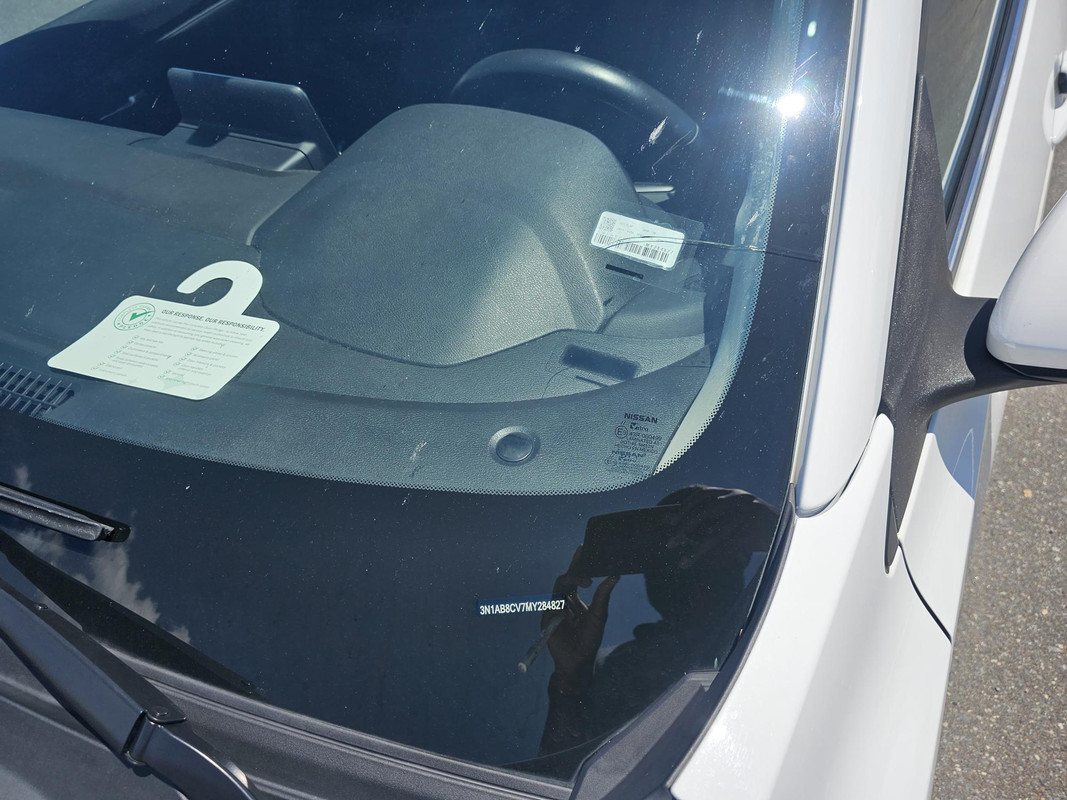
If you are calling for car window repair or vehicle glass replacement in 28806, expect the same level of documentation and attention to detail as a windshield job. Fleet operators who keep vehicles west of the river appreciate that one provider can handle a rear slider in a pickup on Monday and a front windshield replacement on a delivery van Tuesday, all on site, all tied to the same insurance file or fleet account.
A word on safety and DIY kits
Over the counter chip repair kits have their place. If you are out near the Blue Ridge Parkway and pick up a fresh chip, a kit can stop contamination long enough to get a proper repair in Asheville. For long cracks or star bursts with legs, skip the kit. Incorrect resin viscosity, poor curing, or trapped air can turn a repairable chip into a replacement. The line between saving 100 dollars and spending 800 often hangs on the first touch.
Putting it all together for 28806
Mobile windshield replacement makes sense for Asheville’s west side for one reason above all others. It fits how people live and work here. You do not lose half a day to a shop. You do not play shuttle games. The insurance piece is manageable when you run the numbers against real quotes and your deductible. Quality matters, especially with vehicles that lean on cameras and sensors to help keep you out of trouble on I‑240 or Smokey Park Highway.
If you are sorting through options, call a provider that works regularly with Asheville windshield replacement across 28806 and neighboring ZIP codes. Ask how they handle ADAS calibration. Ask what glass brands they recommend for your model. Ask for both claim and cash pricing. A few focused questions will tell you everything you need to know about whether you are dealing with a true auto glass technician or a cut‑and‑go installer.
The last thing worth saying is the simplest. Glass problems rarely pick a good day. A calm voice on the other end of the line, a van that arrives when promised, and a clean install that holds up through a Pisgah downpour, those are the details that make a rough morning easier. And when the bill lands, whether it flows through insurance or not, you will know you made a choice that balanced money, safety, and sanity.